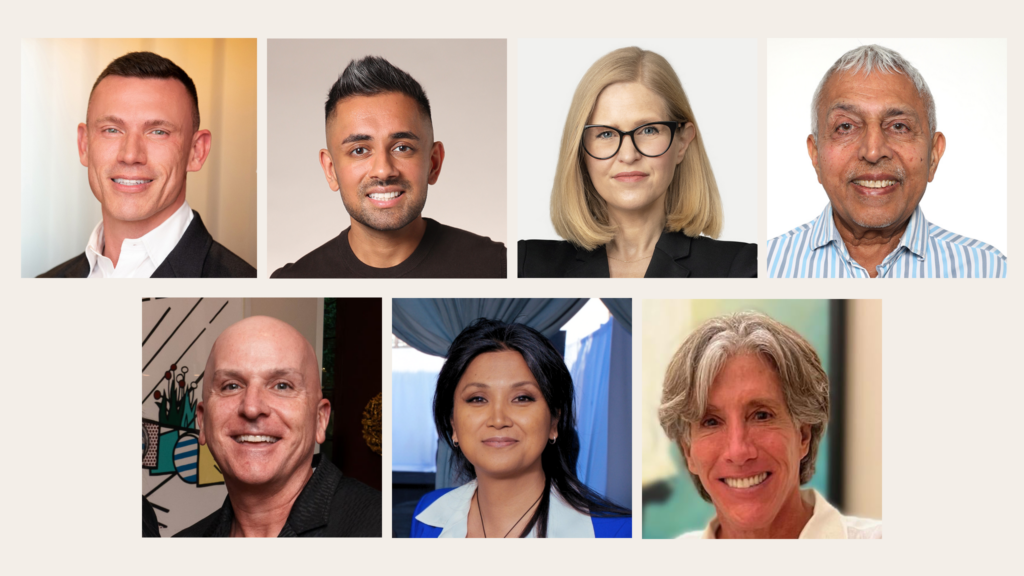
The Los Angeles LGBT Center is pleased to introduce seven outstanding leaders who have been elected to join our Board of Directors this year: Alex Rhodes, Pranav Mandavia, Katherine Smith, Anil Mohin, Scott Parra-Matthews, Jocelyn Loren, and Eric Shore.
Our Board serves as the Center’s governing body: setting strategic direction, providing oversight and accountability, ensuring our long‑term fiscal health, and acting as trusted ambassadors for our mission.
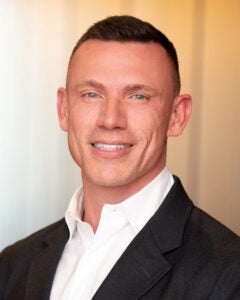
Alex Rhodes
Alex Rhodes brings extensive executive leadership experience across financial services, talent strategy, and organizational transformation. As Global Opportunity & Inclusion Executive at Bank of America, he leads enterprise-wide workforce and veteran initiatives. His background also spans senior roles at Accenture and the White House, complemented by nonprofit board service with Out & Equal, leadership with the Human Rights Campaign, and longstanding engagement with the Los Angeles LGBT Center.
How did you first get involved with the Center?
Twenty-six years ago, the Center was my safe place. I came as a young person in Los Angeles seeking HIV prevention services and testing, and that experience of being held without judgment never left me. I became a volunteer, then a donor, and eventually Paul and I made a gift to the new Anita May Rosenstein Campus. What began as a moment of personal need became a lifetime of commitment.
Which of our programs or services are you most passionate about, and why?
Health services, because they were there for me when I needed them most, and because access to care without shame or barriers is still a matter of life and death for so many in our community. I would also say workforce development, because economic independence is the foundation of everything else. When someone has skills, income, and stability, every other part of their life becomes possible.
As you join the Board, what impact do you hope to help make in the coming years?
I want to help ensure that this organization is here for the next generation, who will walk through these doors needing exactly what I needed when I first arrived. That means building a more diversified and resilient funding base — bringing corporate partners to the table who believe in healthy communities and thriving workforces. And it means showing up, doing the homework, and being a steady presence for an organization that has never once stopped showing up for our community.
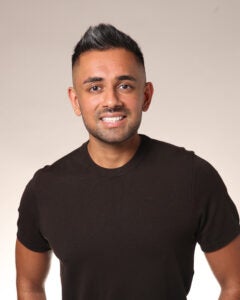
Pranav Mandavia
Pranav Mandavia is an agent at United Talent Agency with a proven track record of driving growth, visibility, and revenue for leading digital creators and entertainers. He has secured over 800 brand and media deals for LGBTQ+ talent, pioneered UTA’s representation of drag artists, and helped launch the Confetti Cannon queer podcast network. He also co-chairs UTA Proud, advancing LGBTQ+ inclusion across the agency.
How did you first get involved with the Center?
I first got involved with the Center through my company, UTA, and our Foundation, which provides opportunities for employees to volunteer and give back to our community. What started as a way to volunteer through work quickly became something that felt much more personal to me.
At the time, I also lived in the neighborhood of the Center’s new campus on McCadden Pl., and I attended the grand opening. Seeing the space come to life and learning more about the breadth of services being provided to the community made the Center’s impact feel very tangible and close to home. Every volunteer experience at the Center gave me a different perspective on the people and communities the Center serves, and I really valued being able to contribute in a hands-on way.
Which of our programs or services are you most passionate about, and why?
I’m passionate about all of the Center’s programs and services because they each provide something essential to members of our community. Whether it’s housing, youth and senior services, mental health, legal services, or support for all people who are experiencing violence or instability, the Center provides a sense of security and community for people who may otherwise feel alone or scared.
I’m particularly passionate about the Center’s health services. Health and wellness are such an important part of the LGBTQ+ community, and having access to care that is safe, affirming, and specifically designed to understand the needs of our community is of utmost importance. The Center’s medical and sexual health services, including primary care, HIV care, gender-affirming care, HIV and STI testing/treatment, and PrEP/PEP, provide an important layer of safety and support.
More broadly, what resonates with me is that the Center is there for people at moments when they may feel particularly vulnerable, whether they are a youth or an elder. When they need somewhere safe to turn, someone to advocate for them, or simply a community that understands them. That sense of safety, dignity, and belonging is one of the main things I find most meaningful about the Center’s work.
As you join the Board, what impact do you hope to help make in the coming years?
As I join the Board, I hope to help advocate for the Center and ensure that its life-saving services remain accessible to everyone in our community who needs them. I want to help raise the resources necessary to sustain and expand these programs, particularly at a time when so many members of the LGBTQ+ community are facing increased vulnerability and uncertainty.
I also hope to use the platform and relationships I’ve built throughout my career to bring greater awareness to the Center and its work. I believe there is an opportunity to tell more people about the incredible breadth of services the Center provides and inspire others to get involved, whether through volunteering, donating, or simply becoming an advocate.
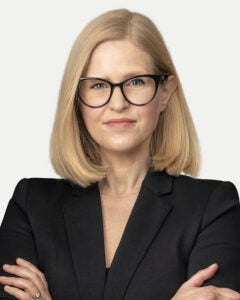
Katherine Smith
Katherine Smith is a partner at Gibson Dunn and co-chair of the firm’s Labor & Employment Practice Group. A recognized leader in employment law, she advises employers on complex workplace and DEI issues and has been named among the Los Angeles Business Journal’s Top 100 Lawyers. Her leadership includes extensive pro bono service and a decade of nonprofit board experience with the Boys & Girls Club of Santa Monica.
How did you first get involved with the Center?
I first heard about the Center from friends and colleagues, who kept calling it one of the best LGBTQ+ organizations anywhere. The more I learned, the clearer it became that the Center is doing extraordinarily important work on every front: health care, housing, youth and senior services, legal help, and advocacy. I am the parent, friend, and family member of many members of the LGBTQ+ community, and I believe being an ally means more than offering support from the sidelines. It means stepping up and getting involved. Joining the Board is how I’m choosing to do that.
Which of our programs or services are you most passionate about, and why?
I am an employment lawyer, and my professional life is spent focused on the workplace, advising organizations on how to build and manage their workforces. So I’m especially drawn to the Center’s programs that help people get ready for working life, which give participants the skills, confidence, and preparation to walk into a workplace ready to succeed. I’m also inspired by the Center’s Legal Services team, which helps people in need navigate a complex legal system.
As you join the Board, what impact do you hope to help make in the coming years?
The Center is the largest LGBTQ+ organization in the world, and its work has never been more essential. I hope to bring the judgment I’ve built advising organizations through high-stakes moments to help the Center stay strong, well-governed, and resilient, so it can stay focused on its mission through whatever changing circumstances lie ahead.
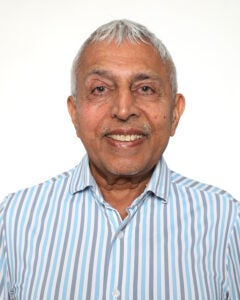
Anil Mohin
Dr. Anil Mohin brings a lifelong commitment to healthcare, service, and community. After growing up in a small village in India, he built a distinguished career as a board-certified cardiologist in Los Angeles, earning recognition as a Fellow of the American College of Cardiology. During the AIDS crisis, he helped connect patients with lifesaving cardiac care when many faced barriers to treatment. He and his husband John have been longtime supporters of the Center and other LGBT causes, including establishing an LGBTQIA Resource Center at John’s alma mater, University of North Carolina Wilmington.
How did you first get involved with the Center?
I first got involved with the Center in the early 1990s, during the height of the AIDS crisis. At the time, I was a cardiologist working with HIV patients and became connected to many of the other physicians involved in caring for our community. I attended my first Center Gala more than 30 years ago and got hooked on the mission. In the beginning, I was busy with my career but would always attend the Gala. My husband, John, and I later supported the campaign to build the Anita May Rosenstein Campus, and one of my favorite memories is being invited to sign a beam during construction.
Which of our programs or services are you most passionate about, and why?
The Center is a place for community and belonging. When I first got involved, it was a place where LGBTQ+ people could gather and find kinship in a world that was not always welcoming. It has since evolved to provide an extraordinary range of services, and I believe that the Center’s work with homeless youth and seniors, who are often overlooked, is especially important. As a physician, I also appreciate the excellent healthcare services the Center provides.
As you join the Board, what impact do you hope to help make in the coming years?
I want to improve the Center’s visibility. We do great work without much fanfare, and we are not as well-known as other organizations in the city. I’d like to help bring more people into the Center’s orbit—raising our profile and more of the funds we need to grow. My hope is that more people in our community will take pride in having a place like this in Los Angeles and feel, as I often say, that they can “come home to the Center.”
Scott Parra-Matthews
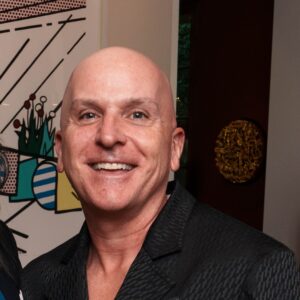
Scott is a senior executive at Vesta Food Service who began his career there in an entry-level role and rose through the ranks. He and his husband, Jairo, are among the Center’s most generous donors and are especially committed to our Culinary Arts program and Liberation Coffee House.
How did you first get involved with the Center?
I’ve been a donor to the Center for several years, but in 2024 I attended the Center Gala and was incredibly moved by the stories shared during the program. Susan Feniger, a longtime colleague from my professional industry, is on the Board of Directors. As I got to know the people who run the day-to-day operations of the Center and learned more about all the different programs the Center offers, I felt compelled to get more involved with my time, rather than just financially.
Which of our programs or services are you most passionate about, and why?
I’m particularly fond of the Culinary Arts program, as that is an industry that’s near and dear to my heart. I attended the graduation ceremony last year, which was one of the most moving experiences I have ever had. My husband and I were beyond moved listening to the graduates speak and hearing about their lived experiences.
As you join the Board, what impact do you hope to help make in the coming years?
I sincerely hope the nearly four decades of experience I have running a successful business will help me make a meaningful impact at the Center. At the end of the day, the Center is also a business, and it’s important to make efficient and prudent financial decisions so that our fundraising can have as wide of an impact on our community as possible.
Jocelyn Loren (she/her)
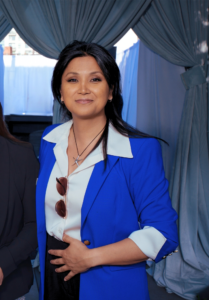
Jocelyn is an inclusion operations leader with more than 17 years of experience across nonprofit healthcare, public health policy, and global corporations. She leads Global Inclusion Strategy Operations at Netflix and previously helped build the Center’s Healthcare Quality Improvement program, bringing a systems-level, health equity lens to governance and culture.
How did you first get involved with the Center?
In my very first experience with the Center, I was holding my resume and practicing my best responses for why I wanted to work in Health Services with no prior background in health care. I had just moved to Los Angeles, and I couldn’t believe a place existed where almost everyone was queer. It’s where I found community, confidence, and my love for business and management. The Center is where my career—and my understanding of what it truly meant to belong to something much greater—really began.
Which of our programs or services are you most passionate about, and why?
Health Services will always hold a special place in my heart—HIV care, trans health, mental health, primary care. But what inspires me most are the people who deliver that care—the staff at the Center who commit their professional lives to serving our community. The staff’s compassion and commitment embody what our community is all about, and the work they do continues to change lives across our community every day.
As you join the Board, what impact do you hope to help make in the coming years?
I hope to bring a fierce commitment to protecting the Center’s mission and ensuring it remains strong and sustainable for the future. The Center’s impact extends far beyond direct services; it extends into the lives of everyone who walks through its doors. For me, I found a sense of belonging and possibility. I want to help ensure that future generations can experience that same life-changing impact.
Eric Shore (he/him)
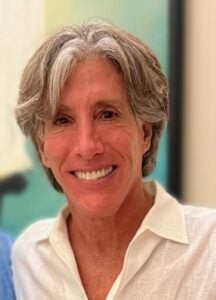
Eric is a Los Angeles–born interior designer and principal of Eric Mitchell Shore Design. A longtime donor and former Board member of 32 years, he helped guide major capital campaigns that created the McDonald/Wright Building, The Village at Ed Gould Plaza, and the Anita May Rosenstein Campus, alongside his husband, Fred Paul.
How did you first get involved with the Center?
I first came into contact with the Center when I was in college, back when headquarters were located on Highland Ave. I had friends volunteering at the Ed Edelman STD Clinic, and knew that the Center was a safe haven for LGBTQ+ people. I started volunteering in the counseling department while in college. My husband Fred and I later became sustaining donors, started attending events, and felt incredible pride and hope in what the Center could provide for the community—including visibility and leadership in the ongoing fight for LGBTQ+ equality.
Then AIDS came, and life changed. When I first joined the Board in 1987, the Center was a national leader and provided critically needed help to the sick and dying at a time when the federal government wouldn’t even acknowledge the crisis. Even in the darkest times, the Center never lost focus, continuing to providing an incredible variety of services and programs.
Which of our programs or services are you most passionate about, and why?
I am so proud of all of the services and programs that the Center provides. They are all so intertwined with the specific purpose of saving lives. From Youth Services to Senior Services, the Center offers stability, safety, and community for everyone. Our medical and mental health services are nationally renowned, we are leaders in transgender services and advocacy, and we provide legal services to some of the most vulnerable in our community—the list goes on. There’s truly nothing else like this organization out there for the LGBTQ+ community.
As you join the Board, what impact do you hope to help make in the coming years?
I’ve been involved with the Center for most of my adult life. Returning to the Board of Directors after a six-year break, I am excited to help raise the dollars needed to secure the Center’s future. Being the largest and greatest LGBTQ+ organization in the world also makes us the number one target of the current administration. The Center has always been heavily dependent on government grants, and I look forward to working with our donors to create a way for the Center to remain stable regardless of changing political winds. Our fight for equality and inclusion and acceptance has made great progress, but it will be a long-term struggle like all great civil rights movements.