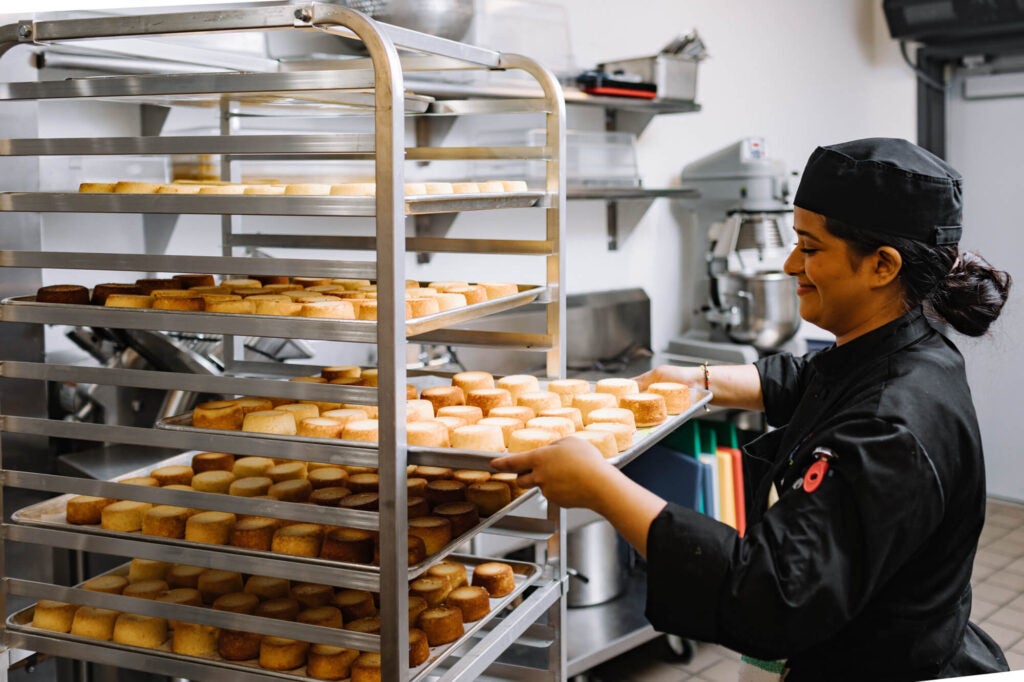
Thanks to the Douglas Foundation’s generous investment of $100,000 in the first year of a four-year commitment, the Los Angeles LGBT Center has been able to sustain its Culinary Arts Program, an initiative that addresses two urgent and interconnected needs in our community: food insecurity and access to living-wage employment.
Hosted at the Center’s Anita May Rosenstein Campus, the Culinary Arts Program continues to serve as both a community kitchen and a workforce development pipeline. The program provides high-quality, nutritious meals to food-insecure LGBTQ+ individuals while offering career-focused culinary training to youth and older adults who face barriers to employment due to homelessness, discrimination, trauma, and economic instability.
The Douglas Foundation’s support has directly contributed to our ability to maintain program quality, scale operations, and deepen impact for both trainees and the thousands of community members who rely on daily hot meals.
Program Goals
The Culinary Arts Program was designed around two core pillars: (1) reducing food insecurity and (2) creating pathways to economic mobility through vocational training. During the reporting period, we are proud to share that the program exceeded our original goals.
1. Addressing Food Insecurity
With support from the Douglas Foundation, the Culinary Arts Program sustained high-volume meal production while maintaining strong nutritional and quality standards.
Meals Produced and Distributed
- Average weekly meals produced: 2,402
- Average monthly meals produced: 10,407
- Total meals produced during the reporting period: 124,883
- Average cost per meal: $6.60 ($3.58 in food costs and $3.02 in labor)
These meals were distributed across multiple Center sites and outreach locations, serving:
- Unhoused and housing-insecure LGBTQ+ youth
- Low-income LGBTQ+ older adults
- Clients accessing healthcare, housing, and social services at the Center
For many of our clients, these meals represent their primary or only reliable source of nutritious food. More than 90% of individuals accessing the Center’s services are low-income, and food insecurity remains one of the most persistent challenges facing both our youth and senior populations.
2. Vocational Training and Workforce Development
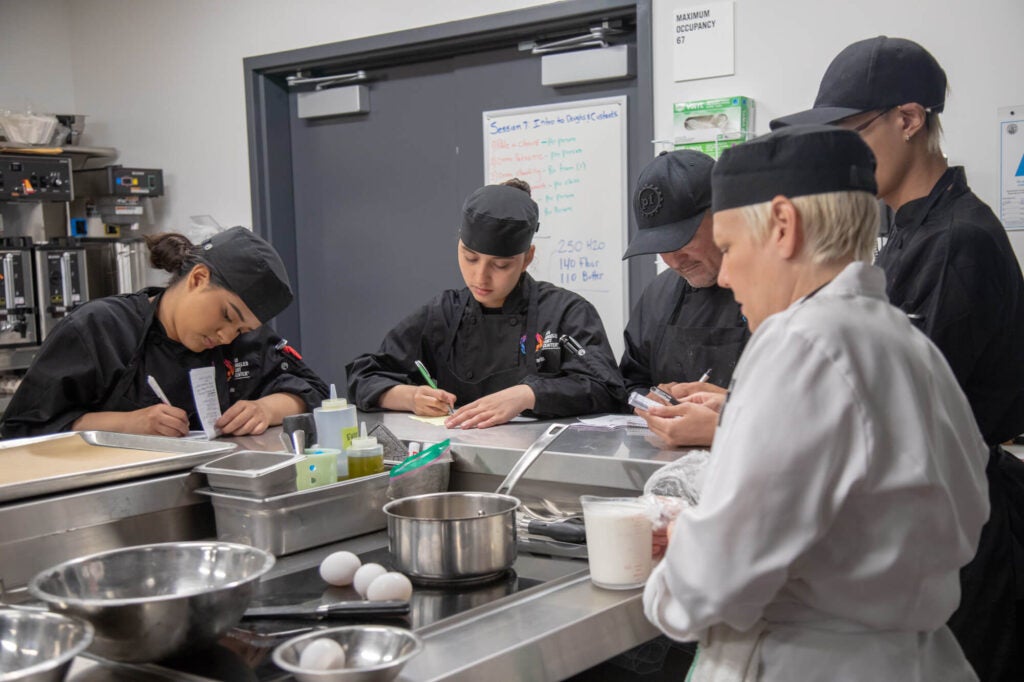
During the reporting period, the Culinary Arts Program trained four cohorts of youth and senior participants through a comprehensive 300-hour culinary curriculum rooted in classic French techniques.
Participants Served
- Total participants enrolled: 58
- LGBTQ+ youth (ages 18–24): 45
- LGBTQ+ older adults (ages 50+): 13
Training Model
- 200 hours of hands-on culinary instruction
- 100 hours of paid internships with local food service partners
- Professional development and 2-day Customer Service Training prior to technical instruction
Participants received instruction in:
- Food safety and sanitation
- Knife handling and kitchen safety
- Meal preparation and large-scale production
- Workplace readiness, punctuality, and communication
- Customer service, conflict resolution, and hospitality fundamentals
Outcomes
- Graduation rate (youth participants): 47% (exceeding the 40% annual target)
- Employment or continued education placement rate among youth graduates: 49% (exceeding the 47% target)
Graduates secured entry-level roles in restaurants, catering companies, and institutional food service settings across Los Angeles County. Others enrolled in additional training or education programs to continue building their credentials.
The Power of Intergenerational Learning
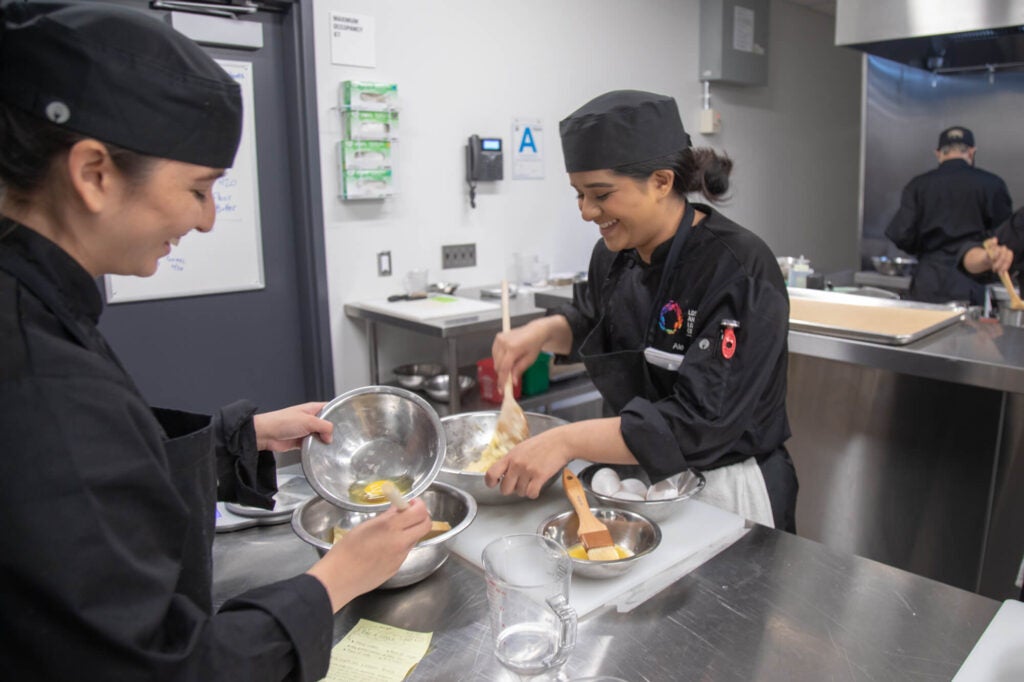
One of the most distinctive elements of the Culinary Arts Program is its intergenerational structure. Seniors and young adults train side by side, creating a learning environment that fosters mentorship, accountability, and mutual support.
During this reporting period:
- Senior participants served as informal mentors to younger trainees, sharing professional experience and life skills.
- Younger participants provided peer encouragement and technical support, contributing to improved retention and morale.
This intergenerational model helped reduce social isolation among older adults while improving persistence and engagement among youth participants. Staff observed stronger cohort cohesion, fewer mid-program withdrawals, and higher overall satisfaction compared to prior years.
Wraparound Support and Program Flexibility
Many Culinary Arts Program participants enter with complex challenges, including housing instability, untreated trauma, mental health needs, and substance use recovery.
In alignment with the Center’s housing-first and trauma-informed care model:
- Participants who lost housing during training were connected to emergency beds or transitional housing.
- Trainees were allowed to pause and re-enter the program as needed to stabilize mental health or housing.
- Case managers provided individualized support for transportation, documentation, and employment readiness.
This flexible, person-centered approach was instrumental in helping participants persist through training and complete the program.
While the Culinary Arts Program made strong progress, the year was not without challenges. Ongoing staffing shortages in the hospitality sector and rising food and supply costs placed operational pressure on the program, requiring careful scheduling, menu adjustments, and tighter budget management to maintain consistent meal production. At the participant level, many trainees entered the program with acute housing instability, untreated trauma, and mental health needs, which affected attendance and continuity for some cohort members. Several participants required temporary pauses in training to stabilize housing or address health and substance use recovery needs, lengthening completion timelines and increasing the intensity of case management support required.
Despite these barriers, the Center’s housing-first, trauma‑informed model and flexible re‑entry policies enabled many participants to persist and ultimately complete the program. These challenges reinforced the importance of wraparound services, contingency staffing, and program flexibility as essential components of successful workforce development for highly marginalized populations.
In Gratitude
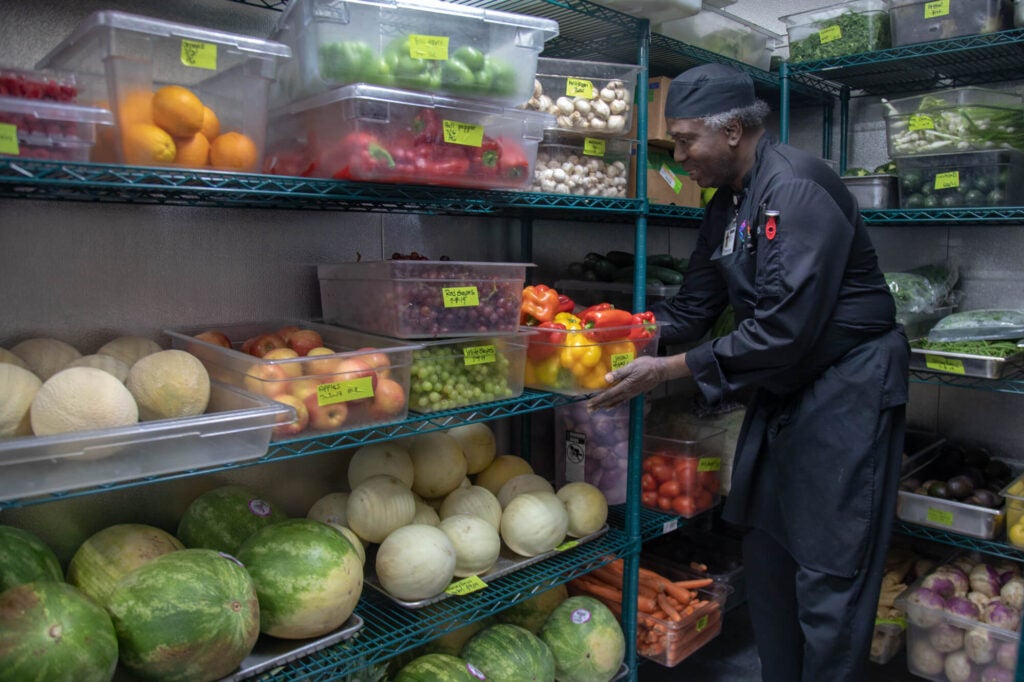
With continued partnership from the Douglas Foundation, the Los Angeles LGBT Center is well positioned to sustain and grow a program that not only feeds our community but creates tangible, life-changing pathways to economic independence.
The Los Angeles LGBT Center is deeply grateful to the Douglas Foundation for its visionary four-year commitment. Your support is helping transform lives—one meal, one skill, and one job at a time.
Because of this investment, LGBTQ+ youth and older adults are gaining the tools to break cycles of poverty, achieve stability, and build brighter futures.
Read More
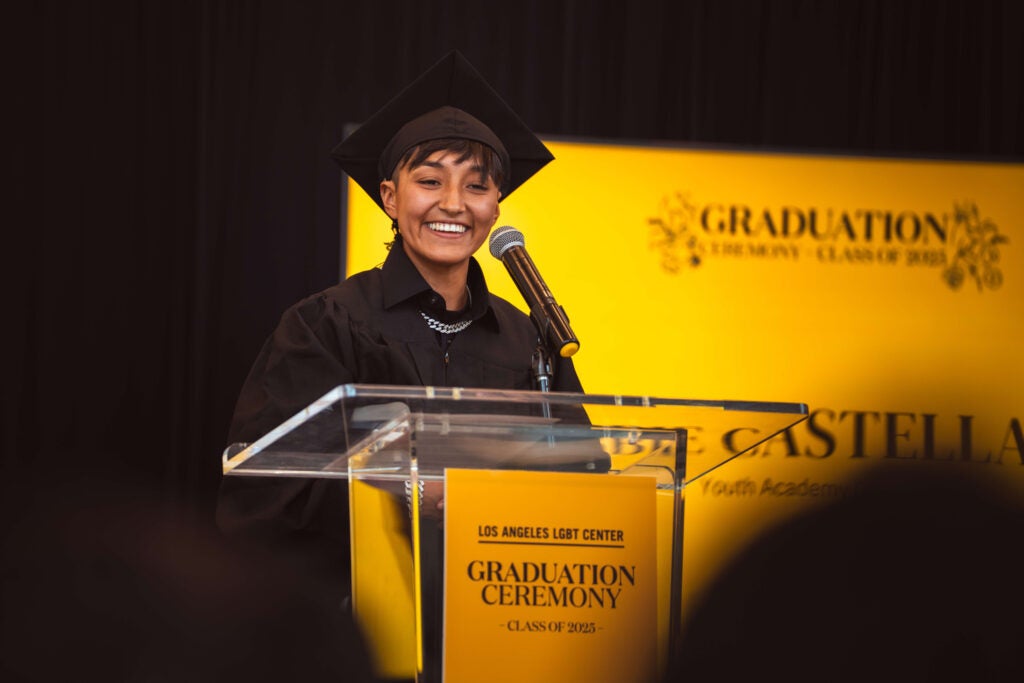
LGBTQ+ Youth and Seniors Celebrate Triumph and Resilience at Center Graduation Ceremony
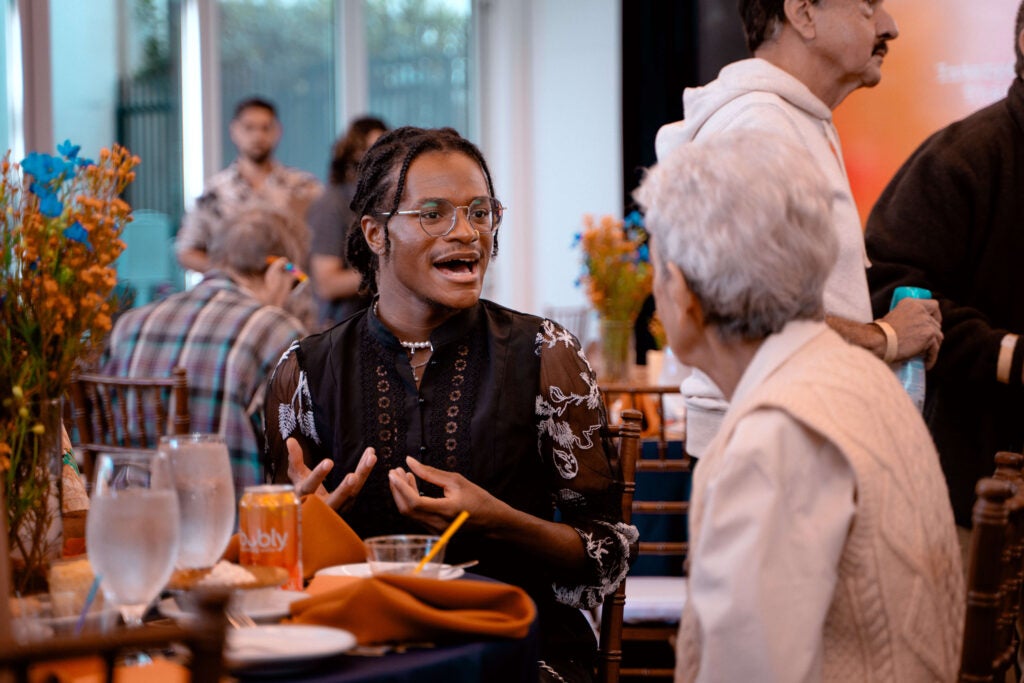
6th Annual Intergenerational Thanksgiving Brings Together Hundreds of Youth and Senior Clients
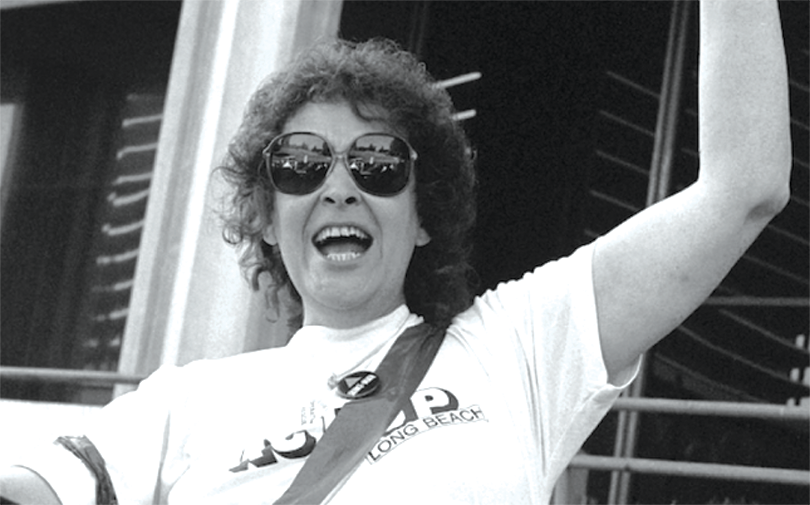
Late ‘AIDS Diva’ Connie Norman Celebrated as Fearless Pioneer of the LGBTQ+ Movement